Water's essential roles in physiological systems and factors influencing daily hydration needs.
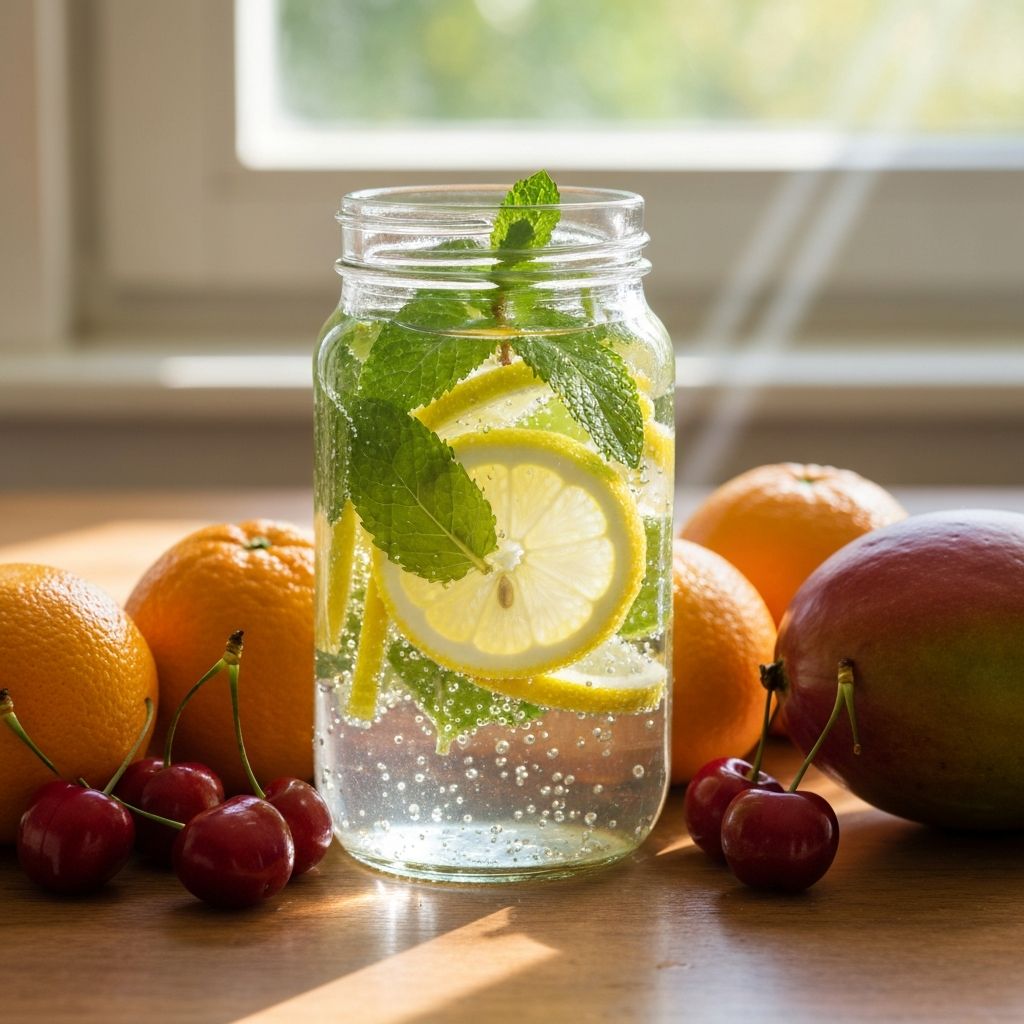
Water is the primary component of human body composition, comprising approximately 60% of adult body weight and higher percentages in infants and children. Despite being mostly water, the body maintains strict regulation of water distribution between different compartments: intracellular fluid (inside cells), extracellular fluid (outside cells), and plasma (liquid portion of blood). This distribution is actively maintained through protein pumps and solute concentrations that drive water movement across cell membranes.
Water serves multiple critical functions: it is the medium in which chemical reactions occur, facilitates nutrient absorption and transport, enables joint lubrication and cushioning, supports organ protection, and plays the primary role in thermoregulation through perspiration. Water solubility is essential for nutrient absorption—water-soluble vitamins and minerals dissolve and are absorbed in the gastrointestinal tract. Adequate hydration maintains blood volume, which is necessary for maintaining blood pressure and ensuring adequate blood flow to tissues.
The human body continuously loses water through multiple routes: respiration (exhaled air contains water vapor), perspiration (from skin), urinary excretion (primary route), and fecal loss. To maintain fluid balance, water intake must equal water loss. The primary mechanism detecting dehydration is osmolality (the concentration of solutes in blood), which is monitored by the hypothalamus. When osmolality increases due to fluid loss, the hypothalamus triggers thirst sensation and stimulates antidiuretic hormone (ADH) release, which increases water reabsorption in the kidneys to concentrate urine and conserve water.
Daily water needs vary substantially among individuals based on climate, physical activity level, age, sex, metabolic rate, and dietary composition. In moderate climates with light activity, many adults require approximately 2-3 liters (8-10 cups) of fluid daily from combined sources of beverages and food. However, this varies considerably—athletes and individuals in hot climates require substantially more water to replace losses from perspiration, while sedentary individuals in cool climates may require less. Thirst serves as a general guide but is not always reliable, particularly during exercise or in older adults who may have diminished thirst sensation.
While plain water is a common hydration source, water is obtained from multiple sources: beverages including water, herbal tea, and milk; foods with high water content such as fruits, vegetables, and soups; and metabolic water produced from nutrient oxidation. Many fruits and vegetables contain 80-95% water by weight and contribute substantially to daily hydration. Caffeine-containing beverages like tea and coffee can contribute to hydration despite mild diuretic effects—the fluid content exceeds urine losses produced by caffeine.
Electrolytes—sodium, potassium, chloride, and magnesium—are minerals that maintain fluid balance by controlling water distribution across cell membranes through osmotic effects. Sodium intake influences water retention; high sodium diets increase thirst and water retention to maintain osmotic balance. During prolonged physical activity with substantial perspiration losses, electrolyte replacement alongside water intake helps maintain electrolyte balance and optimal cellular function. However, excessive water intake without electrolyte replacement can potentially lead to hyponatremia (low blood sodium), though this is rare in healthy individuals with normal kidney function.
This article presents scientific information about water's physiological roles for educational purposes. Individual hydration needs vary based on genetics, activity patterns, climate, and health status. This information is not personalized medical or nutritional guidance. Consult healthcare professionals regarding individual hydration needs.
 TheHealthyRoutine